
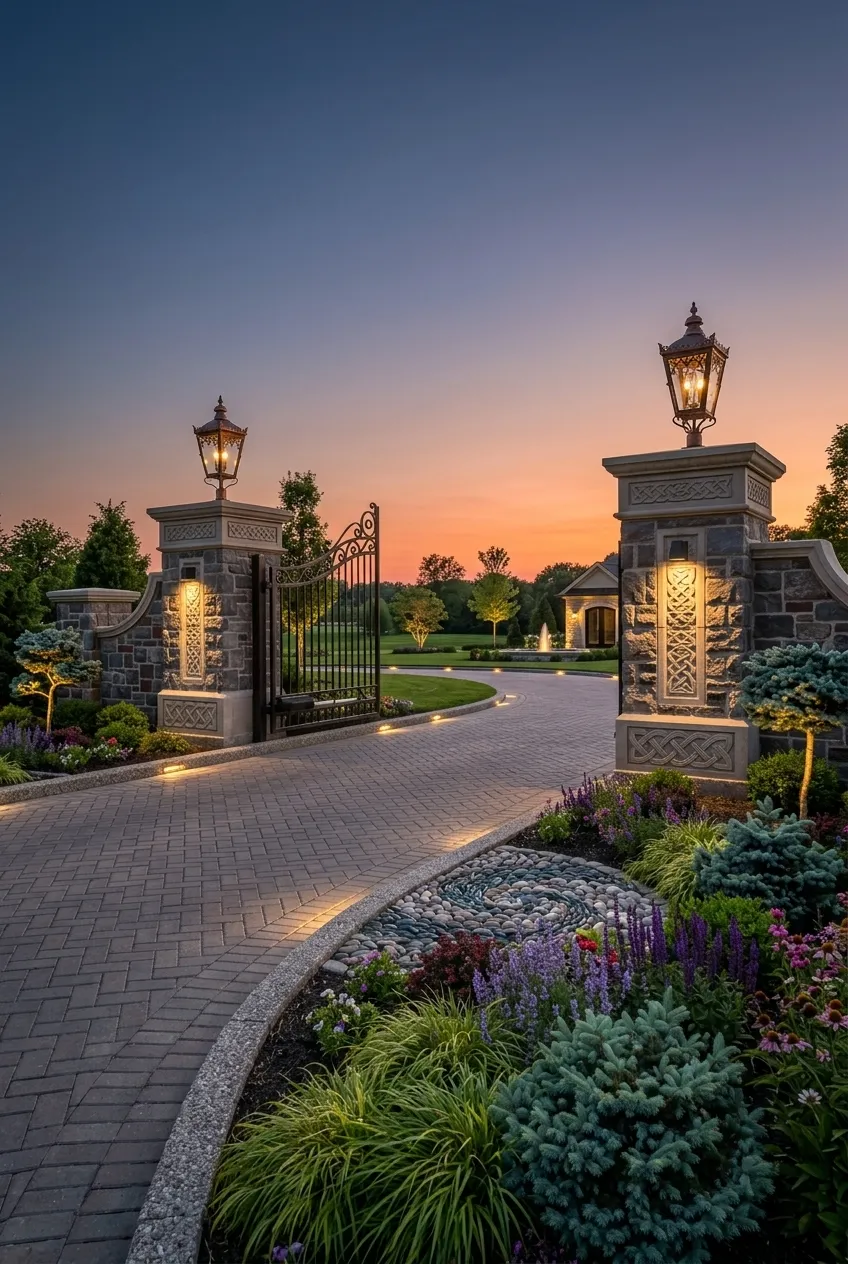
15 Driveway Entrance Ideas to Instantly Boost Curb Appeal
The entrance to your driveway sets the tone for your entire home before a visitor even reaches the front door, making it one of the most impactful places to invest in curb appeal. A well-designed driveway entrance combines landscaping, materials, and lighting to create a welcoming, polished first impression that complements your home’s architecture. Whether you’re working with a small suburban lot or a sprawling property, these 15 driveway entrance ideas offer practical inspiration for transforming this often-overlooked space.
How Can You Try Driveway Entrance Curb Appeal Practically?
Improving driveway entrance curb appeal doesn’t require a complete property overhaul, as many of the most effective updates can be done in stages and tailored to fit different budgets. Focusing on a combination of structural elements, like pillars or gates, alongside softer landscaping features, such as plantings and lighting, creates a balanced and cohesive look. Below are 15 practical ideas to help you elevate your driveway entrance, whether you’re planning a full renovation or a simple weekend project.
1. Install a Decorative Gate
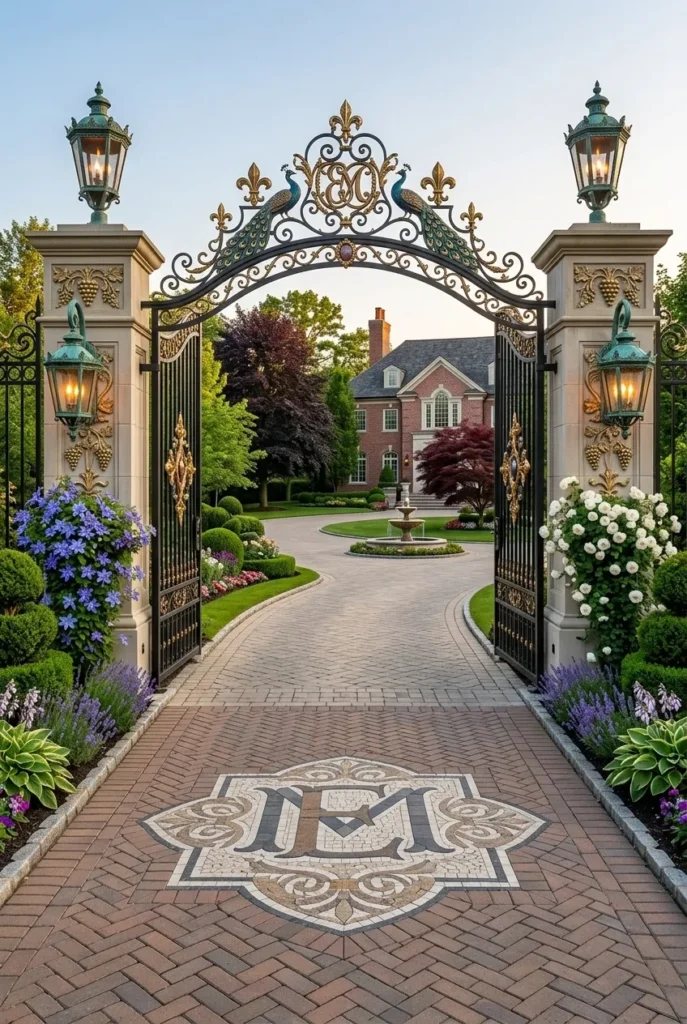
A decorative gate, whether wrought iron, wood, or a combination of materials, immediately adds a sense of grandeur and security to a driveway entrance. Gates can be left open for a purely decorative effect or connected to an automated system for added convenience and privacy. Choosing a style that matches your home’s architecture helps the gate feel like an intentional design choice rather than an afterthought.
2. Add an Arbor with Climbing Vines
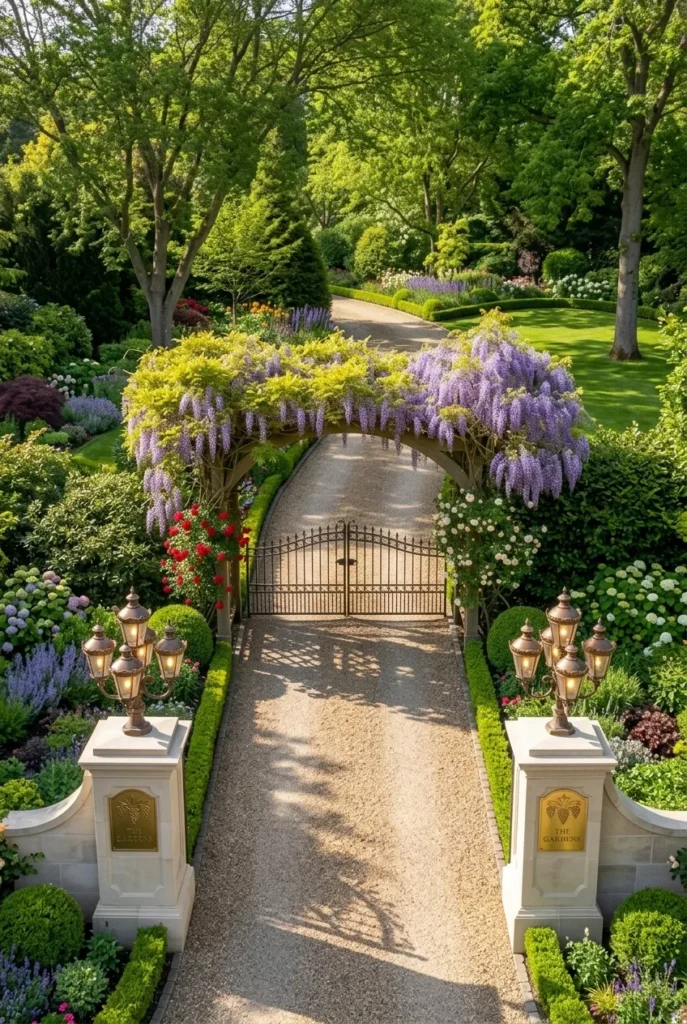
An arbor positioned at the entrance of a driveway creates a charming, garden-like transition point, especially when paired with climbing vines like wisteria, clematis, or climbing roses. Over time, the vines grow to soften the structure and create a lush, natural archway that adds romance and character to the entrance. This idea works particularly well for cottage, farmhouse, or garden-style homes.
3. Use Stone or Brick Pillars
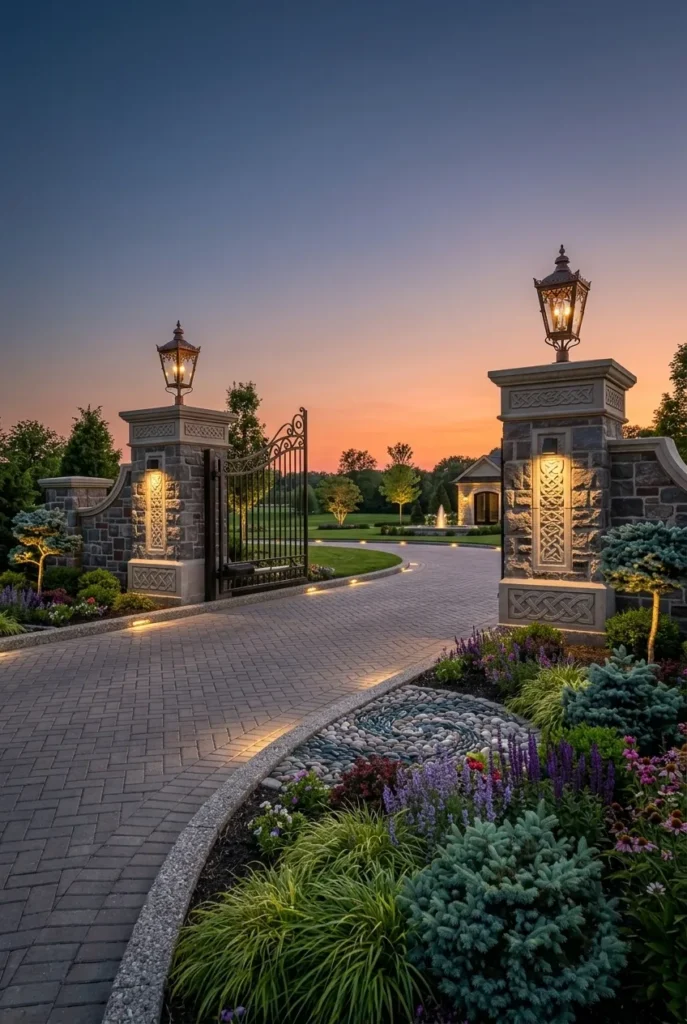
Stone or brick pillars flanking the driveway entrance add a sense of permanence and architectural structure, often serving as a base for lighting, house numbers, or decorative caps. These pillars can be built to match the exterior materials of the home, helping tie the entrance visually to the rest of the property. Even without a gate, pillars alone can dramatically enhance the formality and presence of a driveway entrance.
4. Flank the Entrance with Tall Planters
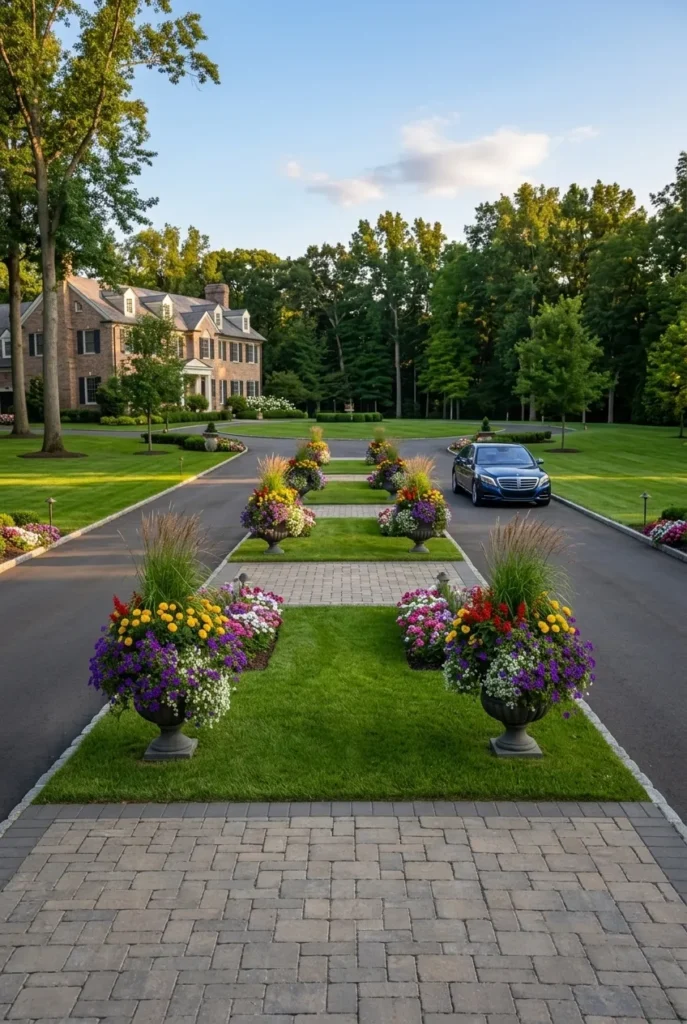
Large planters positioned on either side of the driveway entrance offer a flexible, seasonal way to add greenery and color without the permanence of in-ground landscaping. Tall planters filled with evergreen shrubs, ornamental grasses, or seasonal flowers create symmetry and draw attention to the entrance point. This option is especially useful for homes without existing garden beds near the driveway.
5. Create a Border of Low-Maintenance Shrubs
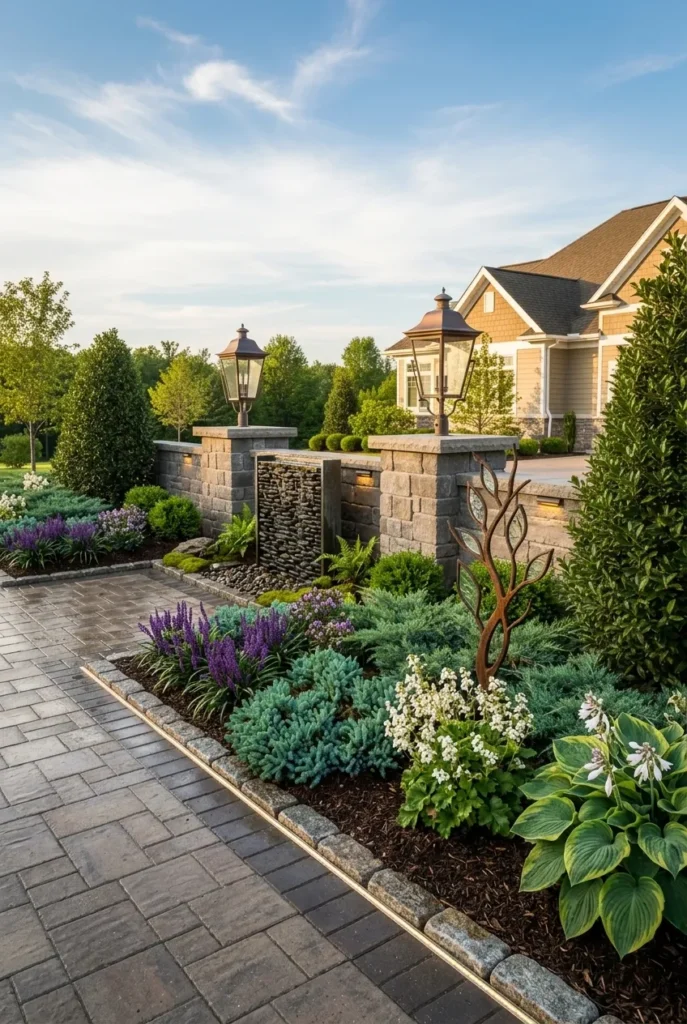
Lining the driveway entrance with low-maintenance shrubs, such as boxwood, holly, or dwarf evergreens, creates a clean, defined edge that enhances curb appeal with minimal upkeep. These shrubs can be shaped into neat hedges or left more natural, depending on the desired level of formality. This approach works well for homeowners who want lasting greenery without the higher maintenance demands of flowering plants.
6. Install Landscape Lighting
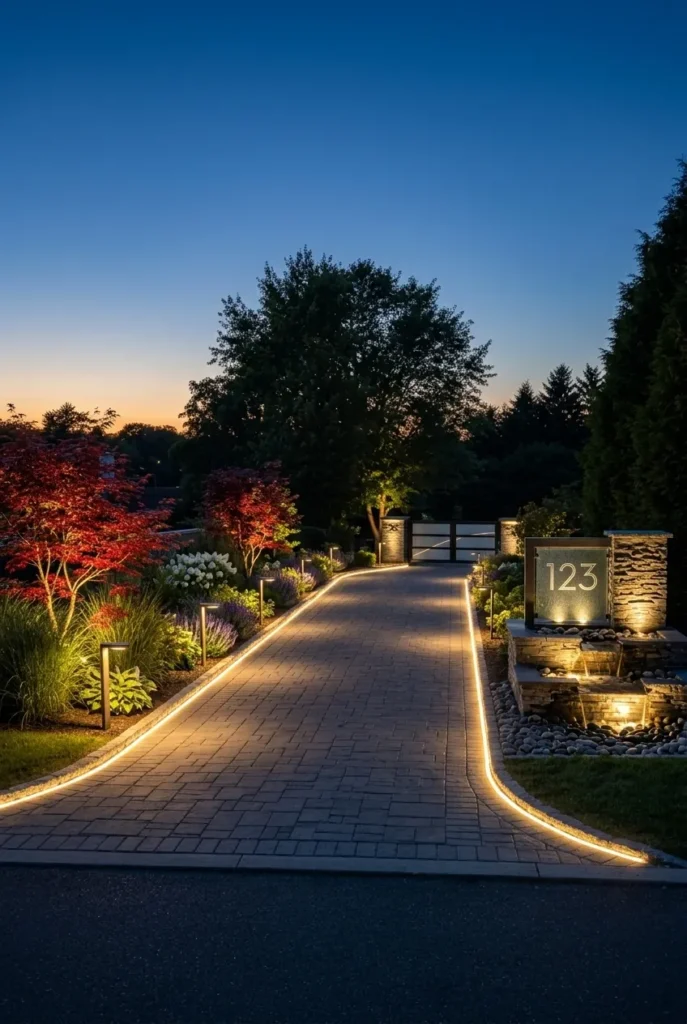
Landscape lighting along the driveway entrance improves both safety and aesthetics, guiding vehicles and guests while highlighting key architectural or landscaping features after dark. Path lights, uplighting on trees or pillars, and lantern-style fixtures on gates all contribute to a warm, welcoming glow. Proper lighting placement also helps prevent accidents by clearly marking the edges of the driveway at night.
7. Add a River Rock Landscape Bed
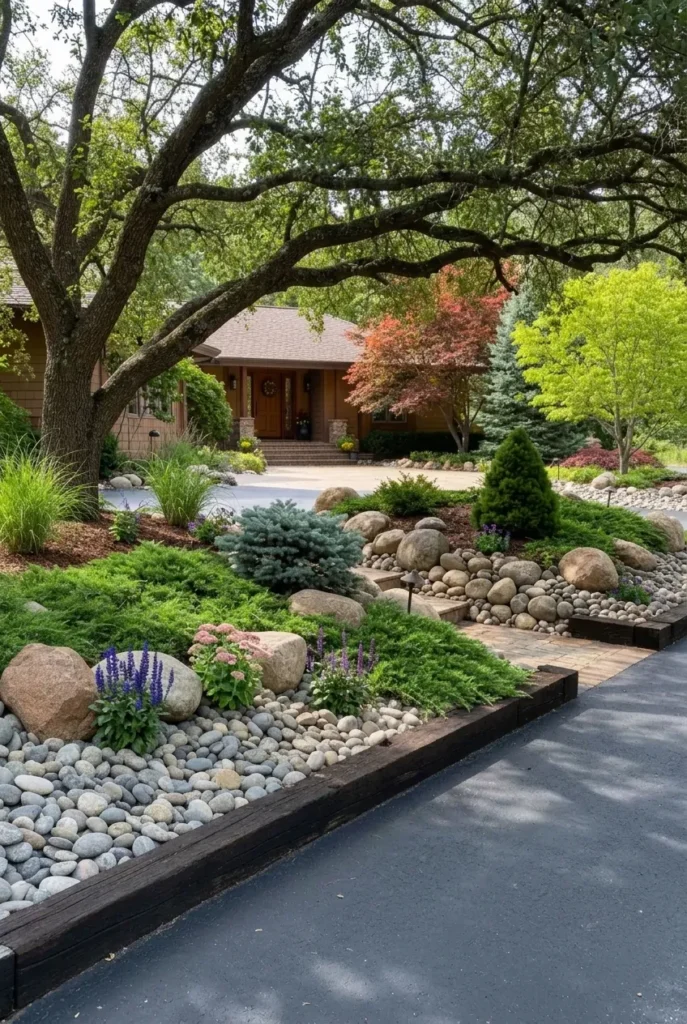
A river rock landscape bed at the driveway entrance adds texture and a low-maintenance alternative to traditional mulch or grass borders. These rocks work particularly well in dry climates or areas prone to drainage issues, as they allow water to filter through naturally while remaining visually appealing. Combining river rock with ornamental grasses or succulents creates additional texture and seasonal interest.
8. Use a Stamped Concrete or Paver Driveway
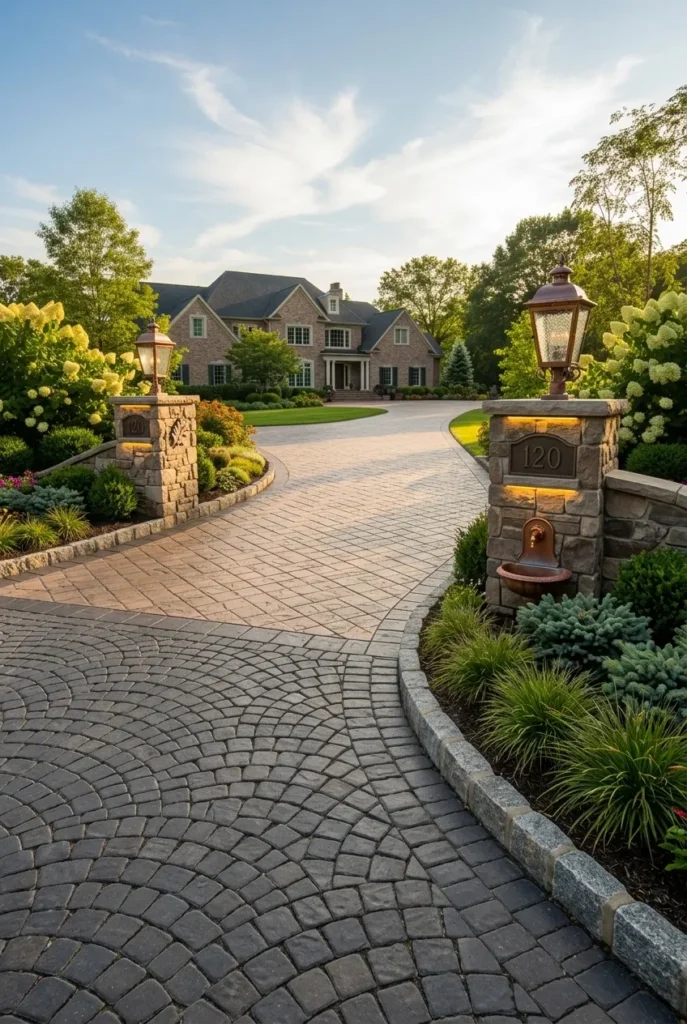
Upgrading the driveway surface itself with stamped concrete or pavers instantly elevates the entrance, offering a decorative alternative to plain asphalt or standard concrete. Stamped concrete can mimic the look of natural stone or brick at a lower cost, while pavers offer flexibility in pattern, color, and future repairs. This upgrade often has one of the most noticeable impacts on overall curb appeal.
9. Create a Curvy and Winding Driveway
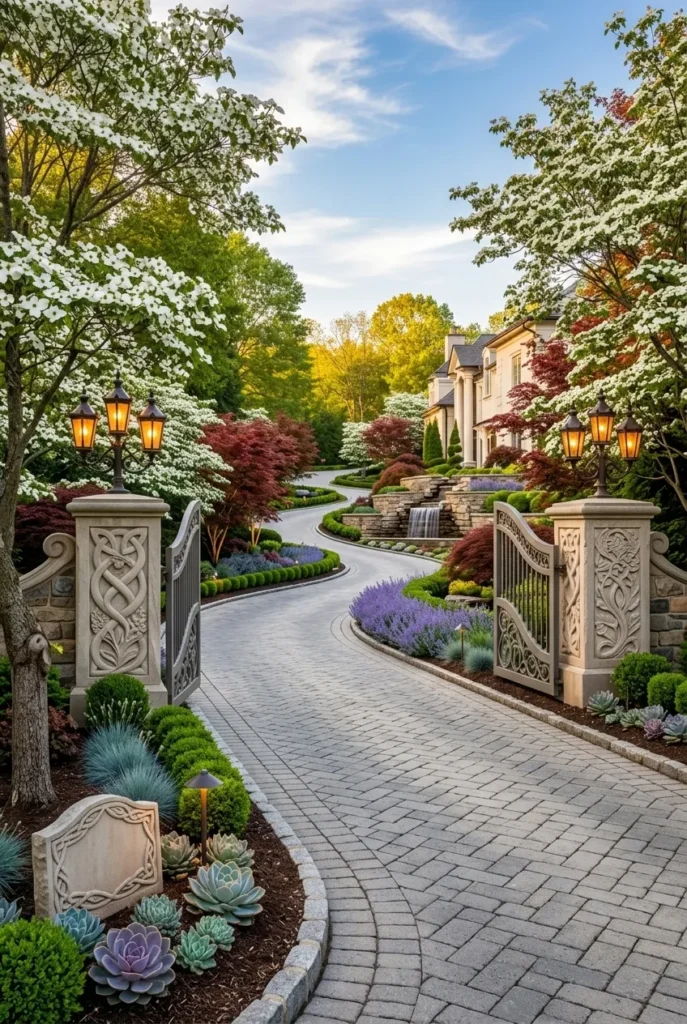
A gently curving or winding driveway adds visual interest and a sense of anticipation as it leads guests toward the home, rather than a straight, utilitarian path. This design choice works particularly well on larger properties, where the curve can be used to highlight landscaping, trees, or architectural features along the way. A winding driveway also naturally slows traffic, adding a subtle safety benefit.
10. Plant a Statement Tree
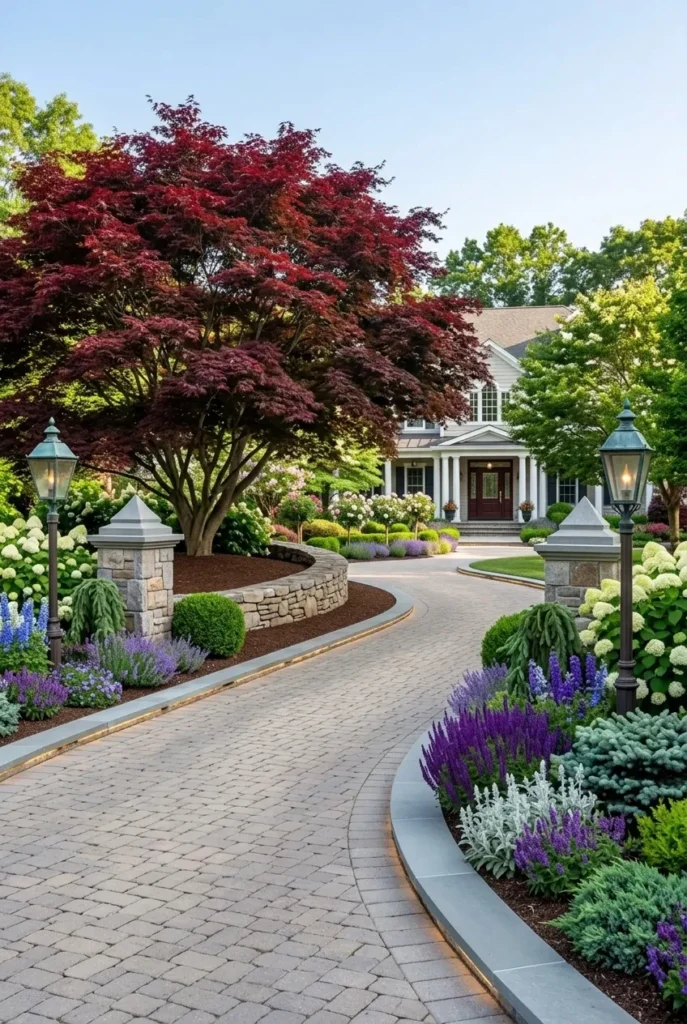
A single statement tree planted near the driveway entrance, such as a Japanese maple, flowering dogwood, or crepe myrtle, creates a natural focal point that changes beautifully with the seasons. This approach requires less maintenance than a full landscaped bed while still making a strong visual impact. Over time, the tree also adds shade and increases the overall value of the property.
11. Edge the Driveway with Bricks or Cobblestones
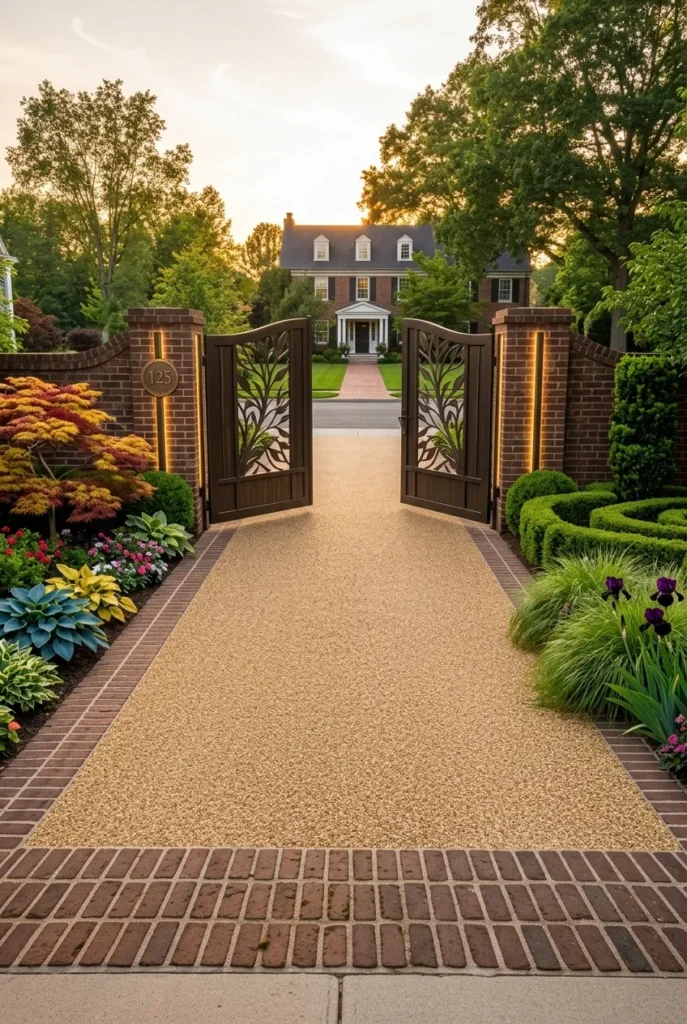
Adding a brick or cobblestone edge along the length of the driveway creates a defined, polished border that separates the drive from surrounding lawn or garden beds. This detail is relatively simple to install compared to a full driveway resurfacing project, making it an accessible upgrade for improving curb appeal. The edging also helps prevent grass or soil from creeping onto the driveway surface over time.
12. Add a Custom Address Marker
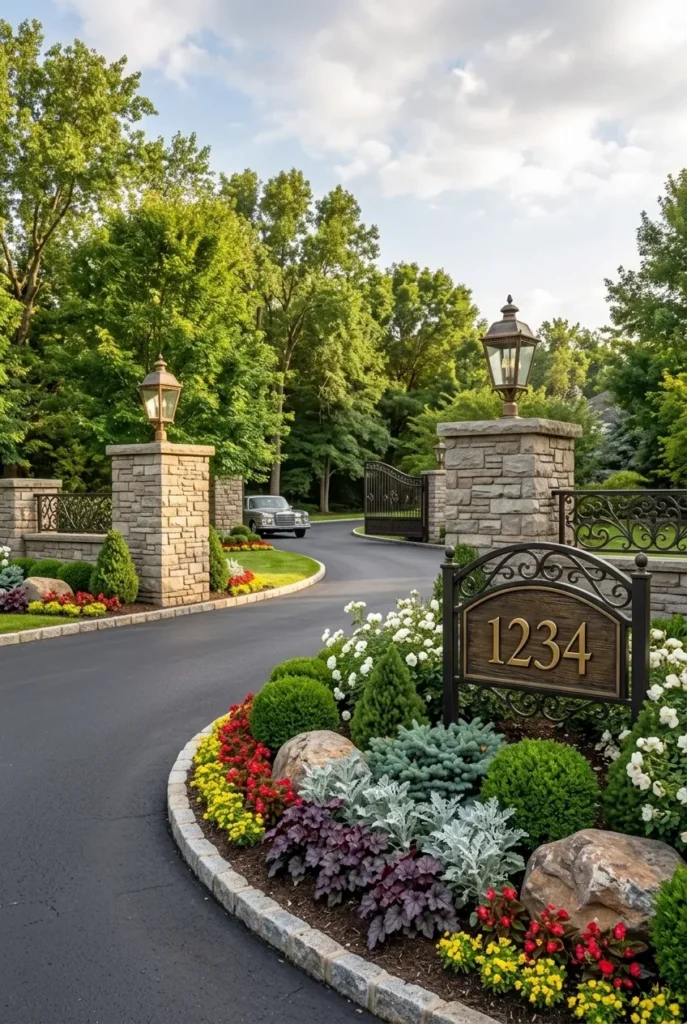
A custom address marker at the entrance, whether mounted on a pillar, standalone post, or integrated into a stone wall, adds a personalized, finished touch to the driveway entrance. Beyond aesthetics, a clearly visible address number also improves safety by helping emergency services and visitors locate the property quickly. Choosing a marker style that complements the home’s architecture ties the detail into the overall design.
13. Create a Grand Circle Drive
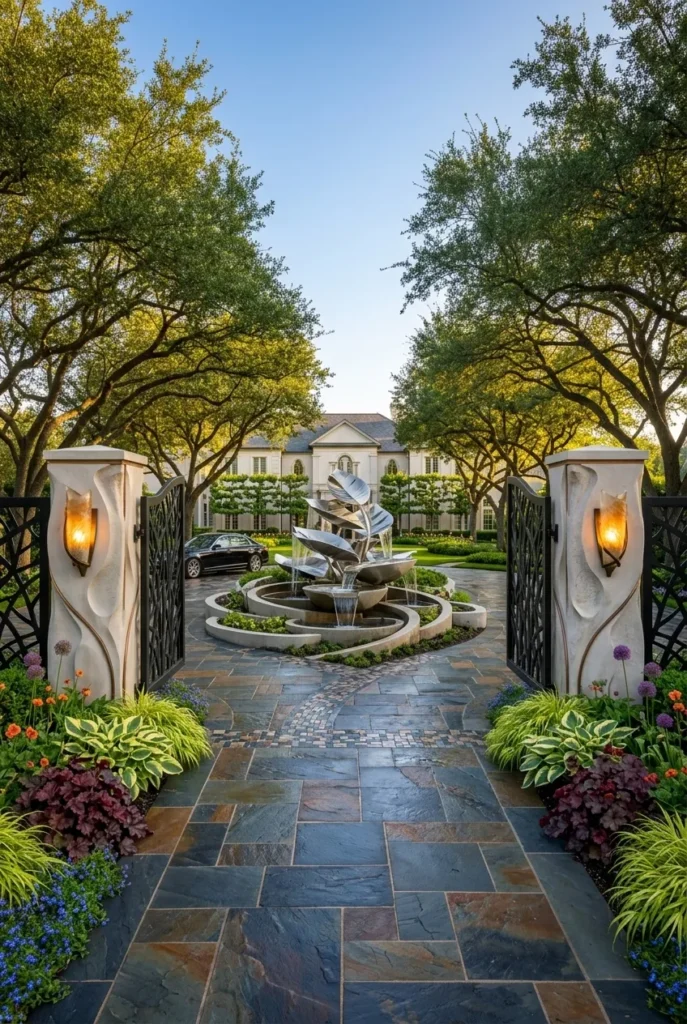
A circular driveway design offers a grand, formal entrance while also improving functionality by eliminating the need to back out onto the street. A landscaped island in the center of the circle, often featuring a tree, fountain, or garden bed, becomes an additional focal point for the property. This design works best on larger lots with sufficient space to accommodate the wider footprint.
14. Use Colorful Seasonal Flowers
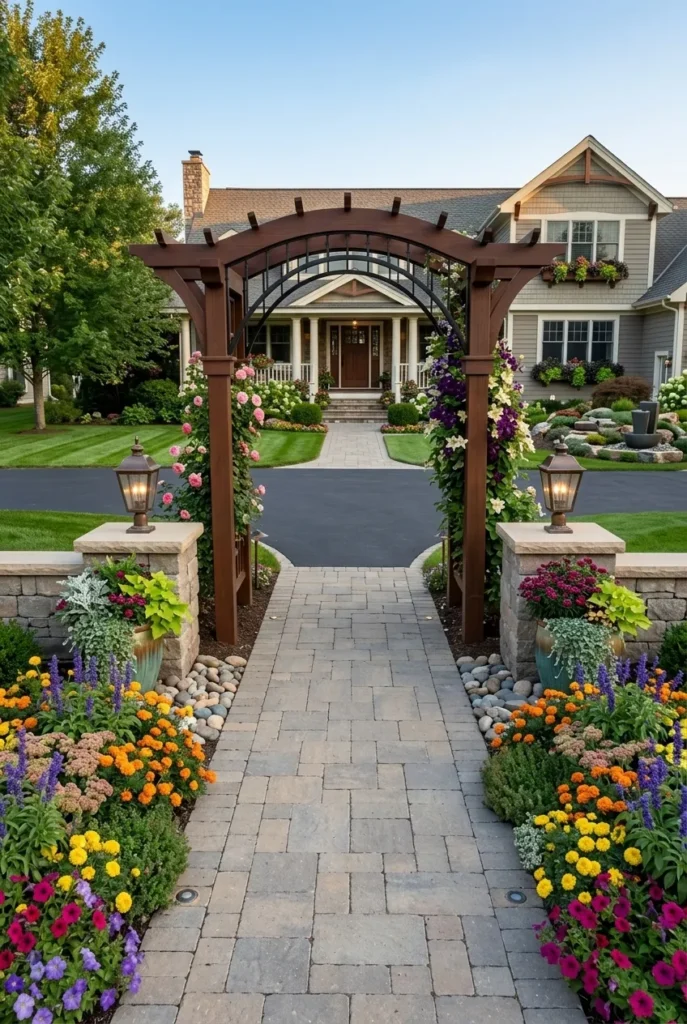
Incorporating seasonal flowers along the driveway entrance, whether in garden beds, planters, or window boxes near the entry point, adds ever-changing color and vibrancy throughout the year. Rotating flowers with the seasons keeps the entrance looking fresh and well-maintained, signaling attention to detail throughout the property. This is one of the most affordable and flexible ways to boost curb appeal without a permanent landscaping commitment.
15. Incorporate a Decorative Stone Wall
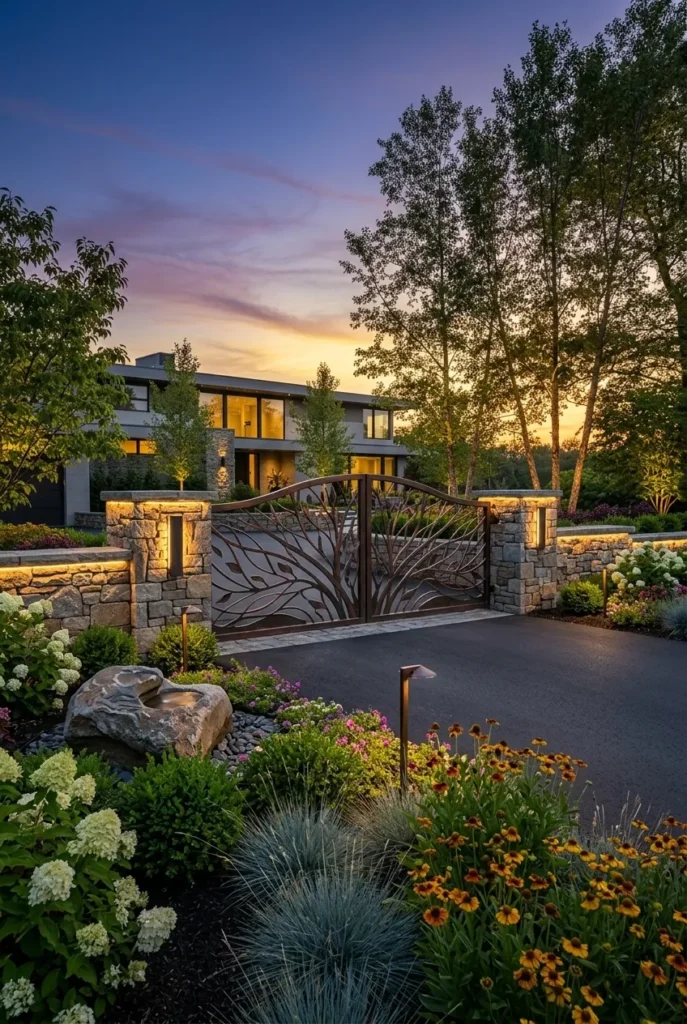
A low decorative stone wall along the driveway entrance adds structure and texture while also serving practical purposes, such as retaining soil on sloped properties. These walls can be built from natural fieldstone, manufactured stone veneer, or brick, depending on the desired look and budget. Adding built-in lighting or planting beds along the top of the wall further enhances its visual impact.
Conclusion
A well-designed driveway entrance does more than improve curb appeal, it sets the tone for the entire property and creates a lasting first impression for guests and passersby alike. From structural upgrades like stone pillars and decorative gates to simpler additions like seasonal flowers and landscape lighting, there are options here to fit nearly every budget and home style. By choosing a combination of these 15 ideas that complement your home’s architecture, you can transform your driveway entrance into a welcoming, polished feature that enhances your property for years to come.
Frequently Asked Questions
What is the most affordable way to improve driveway entrance curb appeal?
Adding seasonal flowers, planters, or simple landscape lighting are among the most affordable ways to improve a driveway entrance, since they require minimal materials and can often be completed as a weekend project. These updates also offer flexibility, allowing homeowners to change or expand the design over time as budget allows. Small details like a custom address marker can also make a noticeable difference without a significant financial investment.
How long does it typically take to complete a driveway entrance upgrade?
The timeline for a driveway entrance upgrade depends heavily on the scope of the project, ranging from a single weekend for planting and lighting updates to several weeks for larger installations like pillars, gates, or a resurfaced driveway. Projects involving concrete or paver work often require additional time for curing and settling before the area can be used normally. Working with a landscaping or hardscaping professional can help provide a more accurate timeline based on the specific project scope.
Do driveway entrance upgrades actually increase home value?
Yes, driveway entrance upgrades are widely considered one of the more effective curb appeal investments, as they create a strong first impression that influences a buyer’s overall perception of the property. Features like updated driveway surfaces, defined landscaping, and quality lighting are often highlighted in real estate listings and can contribute to a higher perceived value. While the exact return on investment varies by region and project scope, these updates generally support both immediate curb appeal and long-term property value.